Bodyweight workouts offer a convenient and effective fitness solution, easily accessible to everyone․ Printable plans streamline your routine, providing structure and motivation for consistent progress, regardless of experience․
Why Choose Bodyweight Workouts?
Bodyweight exercises present a remarkably accessible path to fitness, eliminating the need for expensive gym memberships or bulky equipment․ This makes them ideal for home workouts, travel, or fitting fitness into a busy schedule․ They build strength, endurance, and flexibility using only your own weight as resistance․
Furthermore, bodyweight training is scalable for all fitness levels – modifications exist for beginners, while advanced variations challenge experienced individuals․ They’re also incredibly versatile, allowing for full-body routines or focused workouts targeting specific muscle groups․ A printable bodyweight workout plan enhances this convenience, offering a tangible guide to structure your sessions and track your progress effectively, fostering consistency and achieving optimal results․
Benefits of a Printable Plan
A printable workout plan transforms a good intention into a concrete action․ It removes the daily decision-making fatigue of what to do, ensuring you stick to your fitness goals․ Having a physical copy allows for easy tracking of completed workouts, sets, and reps, fostering accountability and visible progress․
Moreover, a printed plan is readily available – no need to rely on battery life or internet access․ It’s a tangible reminder of your commitment, easily posted for visual motivation․ A well-designed printable bodyweight workout plan PDF often includes exercise demonstrations, warm-up routines, and cool-down stretches, providing a comprehensive and user-friendly fitness experience․
Essential Bodyweight Exercises
Bodyweight training utilizes your own weight for resistance, offering versatility and effectiveness․ Key exercises target major muscle groups, building strength and endurance efficiently․
Upper Body Exercises
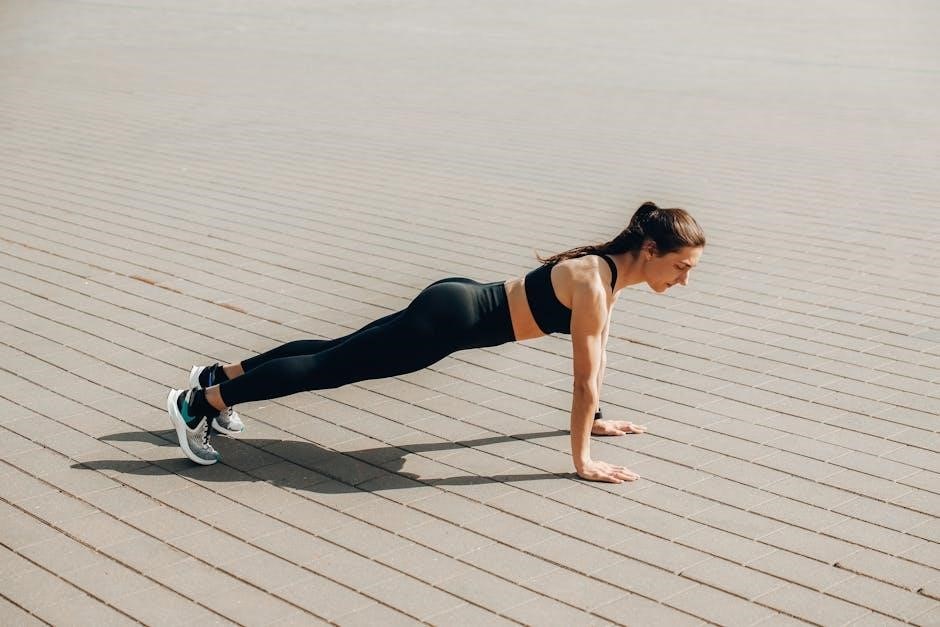
Strengthening your upper body with bodyweight exercises is crucial for overall fitness and functional movement․ Push-ups are foundational, building chest, shoulder, and triceps strength․ Beginners can start with wall push-ups or incline push-ups, gradually progressing to standard push-ups on the floor․
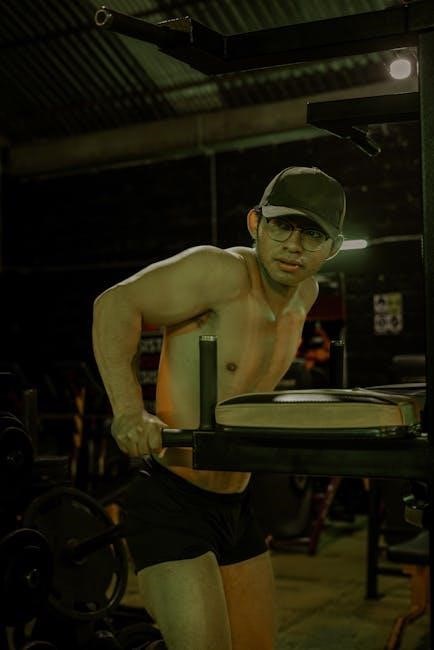
Variations like wide-grip push-ups emphasize the chest, while close-grip push-ups target the triceps․ Don’t underestimate the core engagement required for proper form! Incorporating dips, using a stable chair or bench, effectively works the triceps and chest․ Remember to focus on controlled movements and maintain a straight line from head to heels throughout each exercise for optimal results and injury prevention․
Push-ups (Variations for all levels)
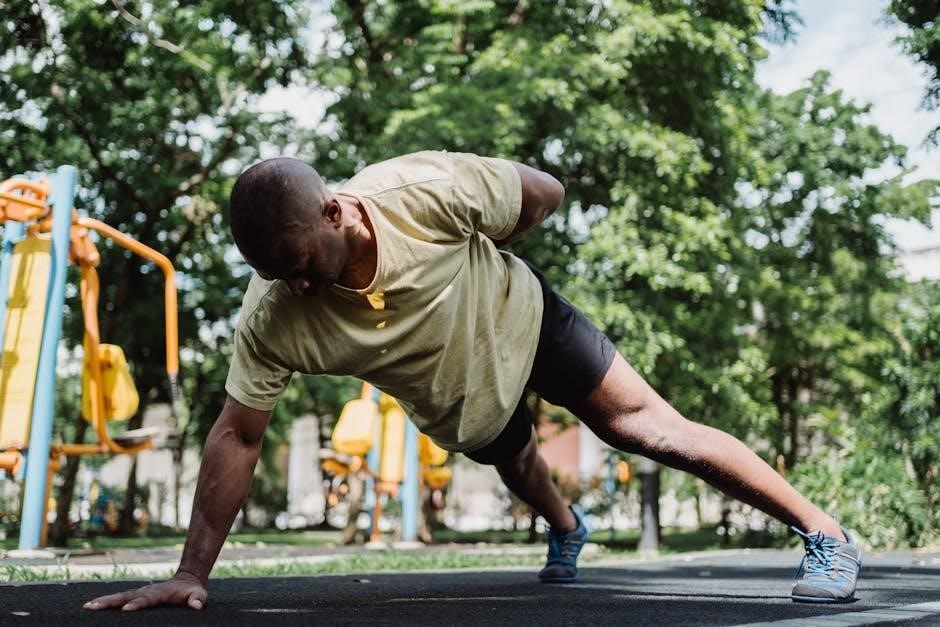
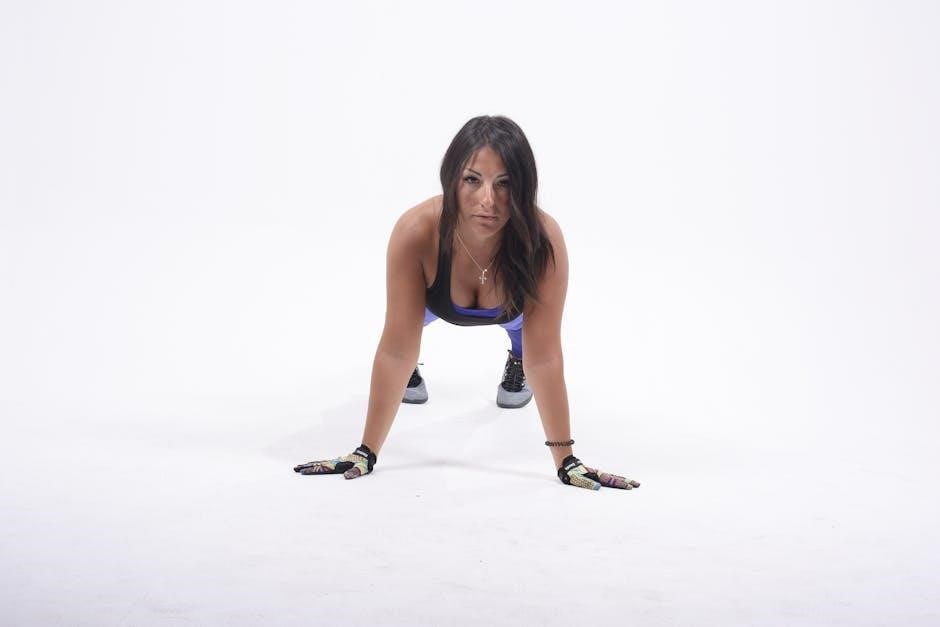
Push-ups are incredibly versatile, offering scalable challenges for every fitness level․ Beginners can begin with wall push-ups, reducing the resistance․ Incline push-ups, performed with hands elevated on a bench, are another excellent starting point․ As strength increases, progress to knee push-ups, then standard push-ups․
Intermediate variations include wide-grip push-ups (chest focus) and close-grip push-ups (triceps focus)․ Advanced athletes can try decline push-ups (feet elevated), or plyometric clap push-ups for explosive power․ Proper form—a straight line from head to heels—is paramount to avoid injury and maximize effectiveness․
Incline/Decline Push-ups
Incline push-ups, performed with your hands elevated, are a fantastic modification for beginners or those focusing on lower chest development․ The higher the incline, the easier the exercise becomes, building foundational strength․ Conversely, decline push-ups, with your feet elevated, increase the difficulty and target the upper chest and shoulders․
Utilizing a sturdy bench or step is crucial for both variations․ Maintaining proper form – a straight body line – is essential․ These adjustments allow for progressive overload, enabling consistent gains․ Incorporating both incline and decline push-ups into your routine provides a well-rounded upper body workout․
Lower Body Exercises
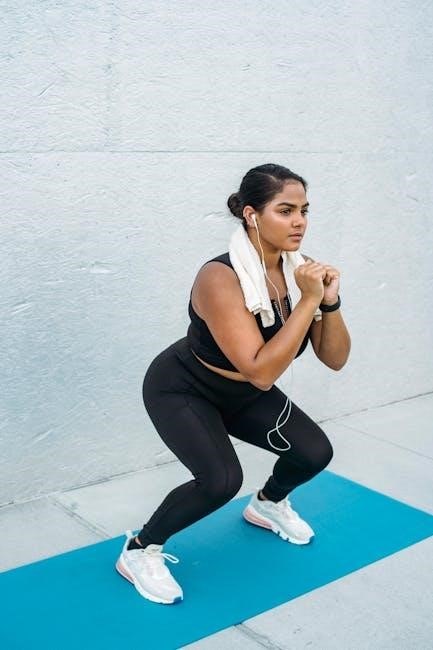
Strong legs are fundamental for overall fitness and athleticism․ Bodyweight exercises provide an accessible way to build lower body strength without equipment․ Squats, in their various forms, are a cornerstone, targeting quads, hamstrings, and glutes․ Begin with standard squats, then progress to jump squats for increased intensity and explosive power․
Lunges – forward, reverse, and walking – offer a different challenge, improving balance and unilateral strength․ Proper form is vital; maintain a 90-degree angle in both knees during the lunge․ These exercises, when incorporated into a printable plan, deliver effective lower body conditioning․
Squats (Standard, Jump Squats)
Squats are a foundational exercise, effectively targeting the quadriceps, hamstrings, and gluteal muscles․ Standard squats involve standing with feet shoulder-width apart, lowering your hips as if sitting in a chair, and maintaining a straight back․ Focus on controlled movements and proper form to maximize benefits and prevent injury․
To increase intensity, incorporate jump squats․ Perform a regular squat, but explosively jump upwards at the top of the movement․ Land softly and immediately transition into the next squat․ Jump squats build explosive power and elevate your heart rate, making them ideal for high-intensity interval training (HIIT) within your plan․
Lunges (Forward, Reverse, Walking)
Lunges are excellent for developing lower body strength, balance, and coordination․ Forward lunges involve stepping forward with one leg and lowering your body until both knees are bent at 90-degree angles․ Maintain a straight back and ensure your front knee doesn’t extend past your toes․
Reverse lunges offer a variation, stepping backward instead of forward, which can be easier on the knees․ Walking lunges combine both, continuously alternating legs while moving forward․ These variations provide progressive challenges, enhancing muscle engagement and overall fitness within your printable workout․
Core Exercises
A strong core is fundamental for overall stability, posture, and athletic performance․ Bodyweight core exercises require no equipment, making them perfect for a printable workout plan․ Planks, both standard and side planks, effectively engage multiple core muscles, building endurance and strength․ Focus on maintaining a straight line from head to heels․
Crunches and leg raises target different areas of the abdominal muscles․ Proper form is crucial to avoid strain; control your movements and avoid pulling on your neck․ Incorporating these exercises into your routine will significantly improve your core strength and stability․
Plank (Standard, Side Plank)
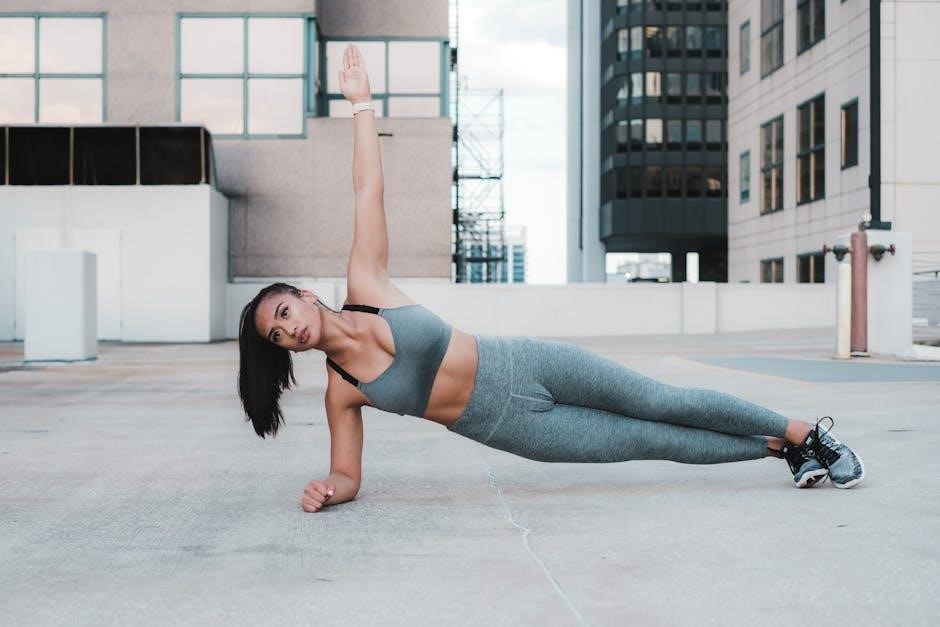
The standard plank is a foundational core exercise; Begin in a push-up position, but rest on your forearms instead of your hands․ Maintain a straight line from head to heels, engaging your abs, glutes, and back․ Hold for 30-60 seconds, repeating 3-4 times․ Side planks target the obliques․ Lie on your side, propping yourself up on one forearm, keeping your body in a straight line․
Hold for 30-60 seconds per side, repeating 3-4 times․ These exercises build isometric strength, improving stability and posture․ Proper form prevents lower back strain; focus on core engagement throughout each hold․
Crunches & Leg Raises
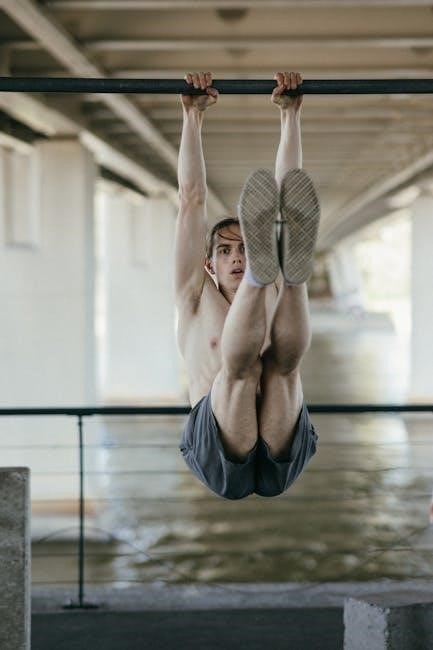
Crunches are a classic abdominal exercise․ Lie on your back with knees bent and feet flat․ Place hands behind your head for support, then curl your upper body towards your knees, engaging your abdominal muscles․ Avoid pulling on your neck․ Perform 3 sets of 15-20 repetitions․ Leg raises target the lower abs․ Lie flat and lift your legs towards the ceiling, keeping them straight or slightly bent․
Slowly lower them back down without letting them touch the floor․ Complete 3 sets of 15-20 repetitions․ These exercises, when performed correctly, enhance core strength and definition․
Designing Your Printable Workout Plan
Personalization is key! Tailor your plan to fitness level and goals, incorporating warm-ups, cool-downs, and progressive overload for optimal results and sustained motivation․
Workout Frequency & Duration
Determining the ideal frequency and duration of your bodyweight workouts depends heavily on your current fitness level and overall goals․ Beginners should aim for three sessions per week, allowing for adequate recovery between workouts․ Each session could last between 20-30 minutes, focusing on mastering fundamental movements․
As you progress, you can increase the frequency to four or five times per week․ Intermediate-level individuals might benefit from 45-60 minute sessions, incorporating more challenging variations and complex exercises․ Advanced athletes can explore daily workouts, splitting routines to target specific muscle groups, with sessions potentially exceeding 60 minutes․
Remember, consistency is paramount․ Shorter, regular workouts are more effective than infrequent, lengthy ones․ Listen to your body and adjust the duration and frequency as needed to prevent overtraining and maximize results․
Warm-up and Cool-down Routines
Prioritizing warm-up and cool-down routines is crucial for injury prevention and optimal performance․ A 5-10 minute warm-up should include dynamic stretches like arm circles, leg swings, and torso twists, increasing blood flow and preparing muscles for exertion․ Light cardio, such as jogging in place, is also beneficial․
Following your workout, a 5-10 minute cool-down helps gradually lower your heart rate and reduce muscle soreness․ Static stretches, holding each stretch for 20-30 seconds, are ideal․ Focus on stretching the muscles worked during the session, improving flexibility and range of motion․
Don’t skip these essential components; they enhance recovery, improve performance, and contribute to long-term fitness success․ Incorporate them into your printable plan for a well-rounded approach․
Progressive Overload Principles
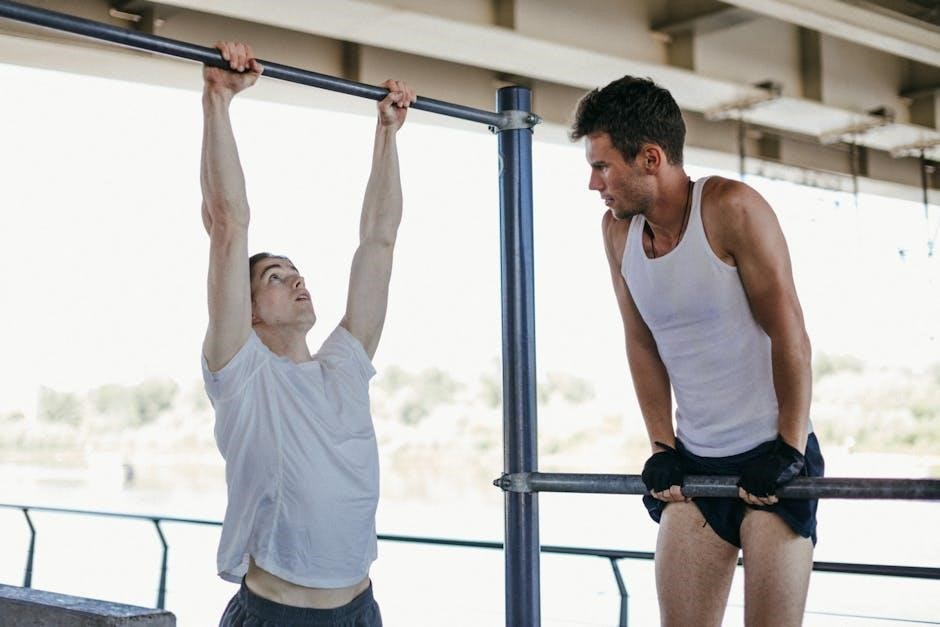
Progressive overload is fundamental to continuous improvement in bodyweight training․ It involves gradually increasing the demands on your muscles over time, prompting adaptation and strength gains․ This can be achieved in several ways, even without added weight․
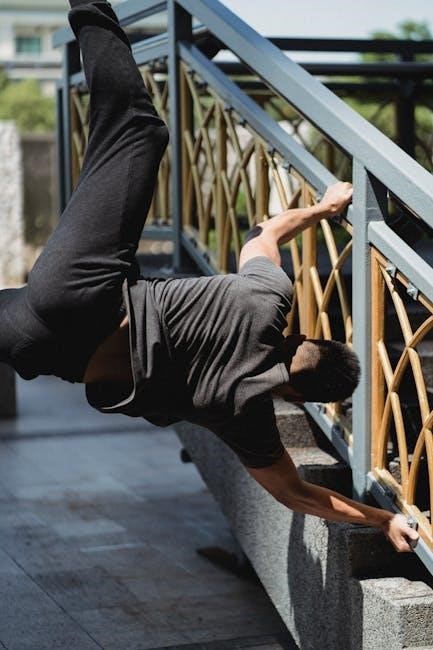
Increase repetitions, sets, or reduce rest time between sets․ Modify exercises to increase difficulty – for example, progressing from knee push-ups to standard push-ups․ Explore more challenging variations of exercises, like jump squats instead of standard squats;
Your printable plan should incorporate a system for tracking progress and implementing these increases․ Consistent application of progressive overload ensures you continually challenge your body, avoiding plateaus and maximizing results․
Sample Printable Workout Plans
Below are examples tailored for different fitness levels – beginner, intermediate, and advanced – offering structured routines you can easily print and follow consistently․
Beginner Bodyweight Workout (3 times/week)
This plan is ideal for those new to exercise or returning after a break․ Perform each workout on non-consecutive days, allowing for recovery․ Begin with a 5-minute warm-up of light cardio, like jogging in place and dynamic stretching․ The workout itself consists of three sets of 10-12 repetitions for each exercise:
- Squats: Focus on proper form, keeping your back straight and core engaged․
- Push-ups (on knees if needed): Modify to maintain good technique․
- Lunges: Alternate legs with each repetition, ensuring your front knee doesn’t extend past your toes․
- Plank: Hold for 30 seconds, maintaining a straight line from head to heels;
- Crunches: Perform slowly and controlled, focusing on engaging your abdominal muscles․
Finish with a 5-minute cool-down of static stretching, holding each stretch for 30 seconds․ Remember to listen to your body and adjust the intensity as needed․
Intermediate Bodyweight Workout (4 times/week)
Building upon the beginner level, this plan increases intensity and volume․ Perform workouts on non-consecutive days․ Start with a 5-minute dynamic warm-up․ Each workout includes three sets of 12-15 repetitions:
- Jump Squats: Add an explosive jump at the top of each squat․
- Incline Push-ups: Use a stable elevated surface to modify push-up difficulty․
- Walking Lunges: Increase the challenge by lunging forward with each step․
- Side Plank: Hold for 45 seconds per side, strengthening obliques․
- Leg Raises: Perform lying on your back, keeping legs straight and controlled․
Incorporate a 5-minute cool-down with static stretches․ Focus on maintaining proper form throughout each exercise․ Adjust repetitions or sets based on your fitness level․
Advanced Bodyweight Workout (5-6 times/week)
This demanding plan is for experienced individuals seeking significant strength and endurance gains․ Structure workouts with varied focuses – upper, lower, core, and full body․ Begin each session with a thorough dynamic warm-up․ Execute four sets of 15-20 repetitions:
- Decline Push-ups: Elevate your feet for increased difficulty․
- Pistol Squats: Single-leg squats requiring balance and strength․
- Plyo Lunges: Explosive lunges jumping between each repetition․
- Plank Variations: Incorporate plank jacks or arm/leg lifts․
- Hanging Leg Raises: Utilize a pull-up bar for a challenging core exercise․
Conclude with a 5-minute static stretch․ Prioritize form and controlled movements․ Listen to your body and adjust as needed․

Resources for Printable PDFs
Numerous websites offer free, downloadable bodyweight workout plans in PDF format․ Alternatively, you can easily create a customized plan tailored to your specific fitness goals․
Websites Offering Free Plans
Finding pre-made printable bodyweight workout plans is remarkably easy with the wealth of resources available online․ Several websites specialize in fitness content and generously offer free PDF downloads․ These plans cater to diverse fitness levels, from complete beginners to advanced athletes, ensuring there’s something for everyone․
Popular options include fitness blogs dedicated to bodyweight training, often providing plans categorized by duration, intensity, and muscle groups targeted․ Microsoft Support’s website, while primarily for product assistance, sometimes links to relevant fitness resources․ Exploring these platforms can save you significant time and effort in designing your own routine․ Remember to always review the plan’s suitability for your current fitness level and consult a healthcare professional if needed․
Creating Your Own PDF Plan
Personalizing your workout plan offers ultimate control and ensures it aligns perfectly with your goals․ Utilizing readily available software, like Microsoft Word or Google Docs, allows for easy creation and formatting․ Begin by outlining exercises, sets, reps, and rest periods․
Consider incorporating a weekly schedule and progressive overload principles․ Once finalized, save or “print to PDF” to create a portable, printable document․ Microsoft 365 offers robust document creation tools, while OneDrive facilitates easy storage and access․ This approach empowers you to tailor a plan specifically to your needs, maximizing effectiveness and adherence, fostering a sustainable fitness journey․
Tracking Progress & Staying Motivated
Consistent monitoring of workouts via logs or journals reveals improvements and maintains engagement․ Realistic goal setting, coupled with progress tracking, fuels motivation and long-term success․
Workout Logs & Journals
Maintaining a detailed workout log is crucial for observing progress and identifying areas needing improvement within your bodyweight routine․ A printable log allows for easy recording of exercises completed, sets, repetitions, and even perceived exertion levels․
Journals extend beyond simple tracking; they provide space for noting how you feel during and after workouts – energy levels, muscle soreness, and overall mood․ This holistic approach reveals patterns and helps prevent overtraining․
Consider including sections for warm-up and cool-down activities, as well as any modifications made to exercises․ Regularly reviewing your log offers valuable insights, fostering a deeper understanding of your body and optimizing your printable plan for sustained results․
Setting Realistic Goals
Achieving fitness success with a printable bodyweight plan hinges on establishing attainable goals; Avoid overwhelming yourself with ambitious targets initially; instead, focus on small, incremental improvements․ Begin by consistently completing workouts as scheduled, prioritizing form over quantity․
Break down larger objectives into manageable steps․ For example, instead of aiming for 20 consecutive push-ups, start with 5-10, gradually increasing the number each week․ Celebrate these small victories to maintain motivation․
Regularly reassess your goals based on your progress and adjust your printable plan accordingly․ Realistic expectations prevent discouragement and foster a sustainable, long-term commitment to fitness․