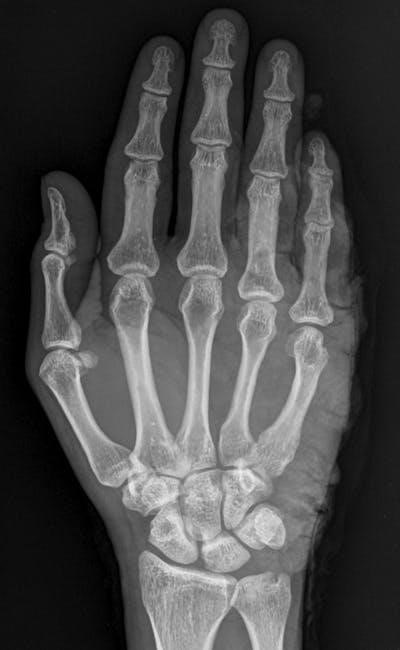
Fundamentals establish a bedrock for understanding life’s complexities, serving as essential building blocks for mastering the core principles within this 11th edition․
What is Anatomy and Physiology?
Anatomy, at its core, delves into the structural organization of living organisms – a detailed examination of the body’s components from macroscopic structures to microscopic cellular levels․ It’s about what things are and where they are located, providing a foundational map of the body’s architecture․
Physiology, conversely, explores the functions of these structures, investigating the processes and mechanisms that allow the body to live, grow, and adapt․ It asks how things work, examining the dynamic interplay of biological processes․
Together, anatomy and physiology are inextricably linked; structure dictates function, and function shapes structure․ Understanding both is fundamental to comprehending the intricacies of life, and this 11th edition provides a comprehensive exploration of these interconnected disciplines, building from basic principles to complex systems․
Importance of Studying Anatomy and Physiology
Studying anatomy and physiology isn’t merely an academic exercise; it’s fundamental to numerous fields, particularly healthcare․ A robust understanding of these disciplines equips future medical professionals – doctors, nurses, therapists – with the knowledge to accurately diagnose, treat, and prevent disease․
Beyond healthcare, the principles of A&P are crucial for fields like physical fitness, nutrition, and even forensics․ Comprehending how the body functions allows for informed decisions regarding lifestyle, diet, and exercise․
This 11th edition emphasizes the practical application of these concepts, fostering critical thinking skills and a deeper appreciation for the remarkable complexity and resilience of the human body․ Mastering these fundamentals provides a solid basis for lifelong learning and professional success․
Overview of the 11th Edition Textbook
The 11th edition of this foundational text builds upon established strengths, offering a comprehensive and accessible exploration of anatomy and physiology․ It’s designed to guide students through the intricacies of the human body, starting with fundamental principles at the cellular level and progressing to complex system interactions․
This edition features updated content reflecting the latest discoveries in the field, enhanced visuals for improved comprehension, and clinical connections that demonstrate the relevance of A&P to real-world healthcare scenarios․
New interactive resources and digital tools further support learning, reinforcing key concepts and promoting active engagement․ The text prioritizes clarity and precision, ensuring students grasp the fundamentals necessary for success in their studies and future careers․

The Cellular Level of Organization
Fundamentals reveal cells as life’s basic units, exhibiting specialized structures and functions, forming the essential foundation for understanding anatomical and physiological processes․
Cell Structure and Function
Fundamentals of cellular biology reveal a highly organized world within each cell, crucial for anatomical and physiological understanding․ Cells aren’t simply bags of fluid; they possess distinct structures – the plasma membrane, cytoplasm, and nucleus – each performing vital roles․ The plasma membrane acts as a selective barrier, controlling what enters and exits․
Within the cytoplasm reside organelles like mitochondria (powerhouses), ribosomes (protein synthesis), and the endoplasmic reticulum (transport and modification)․ The nucleus, containing DNA, directs cellular activities․ Understanding these components and their functions is fundamental; it’s the bedrock upon which all higher levels of organization are built․
Cellular function is inextricably linked to structure; a cell’s shape and internal organization dictate its capabilities․ This edition emphasizes how these fundamental principles underpin the body’s overall operation, providing a solid basis for advanced study․
Types of Tissues: Epithelial, Connective, Muscle, and Nervous
Fundamentals reveal that tissues are the building blocks of organs, each type specialized for specific functions․ Epithelial tissue covers surfaces and forms linings, providing protection, secretion, and absorption․ Connective tissue supports, connects, and separates different tissues and organs – bone, cartilage, and blood are examples․ Mastering these distinctions is fundamental․
Muscle tissue enables movement, categorized into skeletal, smooth, and cardiac types, each with unique structural and functional characteristics․ Nervous tissue transmits electrical signals, coordinating body functions via neurons and glial cells․ This 11th edition emphasizes the interplay between these tissues․
Understanding tissue structure is fundamental to comprehending organ function and overall physiology․ The book provides detailed illustrations and explanations, solidifying these core concepts as a bedrock for further study, ensuring a strong foundation․
Membrane Transport Mechanisms
Fundamentals of cellular life hinge on the ability to move substances across the cell membrane․ This 11th edition meticulously details passive transport – diffusion, osmosis, and facilitated diffusion – processes requiring no cellular energy expenditure․ Understanding these is fundamental․
Active transport, conversely, demands energy (ATP) to move substances against their concentration gradients․ Examples include primary and secondary active transport, vital for maintaining cellular homeostasis․ The text clarifies these mechanisms with detailed diagrams and real-world applications․
Vesicular transport, encompassing endocytosis and exocytosis, facilitates the movement of large molecules․ These processes are fundamental for cellular communication and waste removal․ The book emphasizes how disruptions in these mechanisms lead to disease, solidifying their importance as a bedrock of physiological understanding․
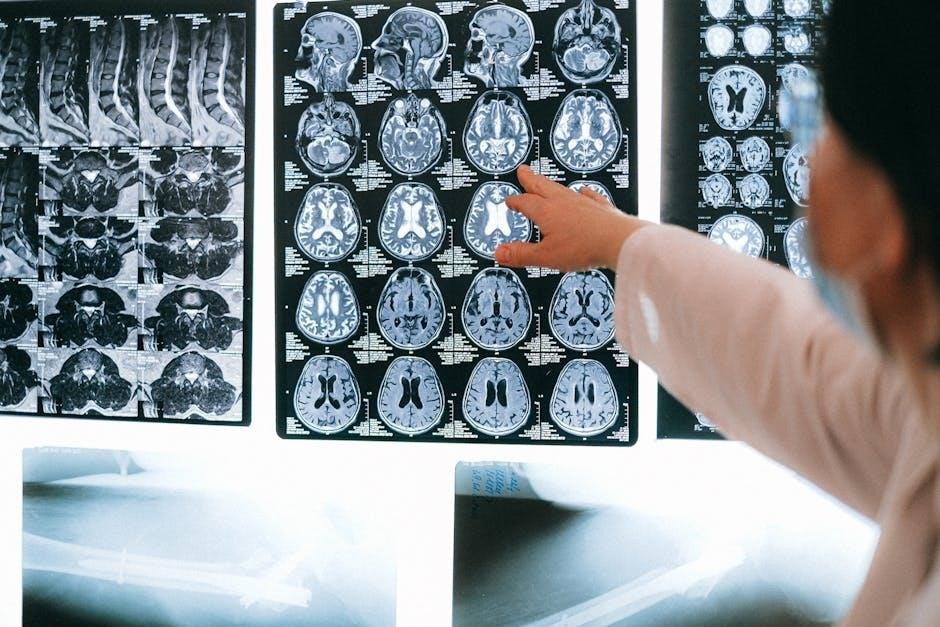
Levels of Structural Organization
Fundamentals reveal how the body builds complexity, from chemical levels to organismal systems, a foundational concept thoroughly explored within this 11th edition’s framework․
Chemical Level
Fundamentals at the chemical level represent the most basic component of structural organization, encompassing atoms and molecules crucial for life’s processes․ This edition meticulously details how atoms combine to form molecules like water, proteins, carbohydrates, and nucleic acids – the building blocks of all living matter․ Understanding these chemical interactions is paramount, as they dictate cellular function and, consequently, the operation of entire organ systems․
The text emphasizes the importance of chemical properties, such as electronegativity and bond types, in determining molecular behavior․ It explores how pH, a measure of acidity or alkalinity, influences biochemical reactions․ Furthermore, the 11th edition clarifies the role of organic and inorganic compounds, highlighting their distinct contributions to maintaining homeostasis․ Mastering these fundamentals provides a solid foundation for comprehending subsequent levels of organization, enabling a deeper appreciation for the intricate chemistry of life․
Tissue Level
Fundamentals at the tissue level build upon the chemical foundation, organizing similar cells performing specific functions․ This edition comprehensively covers the four primary tissue types: epithelial, connective, muscle, and nervous․ Each is meticulously detailed, emphasizing their unique structures and roles within the body․ Epithelial tissues provide covering and lining, connective tissues support and connect, muscle tissues enable movement, and nervous tissues facilitate communication․
The 11th edition stresses the importance of understanding tissue organization and how it relates to organ function․ It explores the diverse subtypes within each tissue category, highlighting their specialized adaptations․ Furthermore, the text clarifies how tissues interact to form complex structures․ A firm grasp of these fundamentals is essential for comprehending how organs develop and maintain their integrity, ultimately impacting overall physiological processes and organismal health․

Organ Level
Fundamentals at the organ level demonstrate how different tissues combine to create structures with specific, specialized functions․ This 11th edition meticulously examines each organ, detailing its anatomical features and physiological roles․ Understanding organ composition – the precise arrangement of tissue types – is crucial for grasping how organs contribute to overall bodily functions․ For example, the stomach’s layered structure, involving epithelial, connective, muscle, and nervous tissues, enables digestion․
The text emphasizes that organs aren’t isolated entities; they work collaboratively within systems․ This edition clarifies how an organ’s structure directly supports its function, and how disruptions to that structure can lead to dysfunction․ Mastering these fundamentals provides a solid base for understanding complex physiological processes and disease states, allowing for a holistic view of the human body․
System Level
Fundamentals at the system level reveal how organs cooperate to accomplish common purposes, forming integrated networks crucial for maintaining life․ This 11th edition thoroughly explores each body system – cardiovascular, respiratory, nervous, and more – illustrating how their components interact․ Understanding these interactions is paramount; for instance, the respiratory system delivers oxygen vital for the cardiovascular system’s function․
The textbook stresses that systems aren’t independent, but rather exhibit complex interdependencies․ This edition clarifies how disruptions in one system can cascade, affecting others․ Mastering these fundamentals provides a framework for analyzing physiological responses and pathological conditions, fostering a comprehensive understanding of the body’s intricate orchestration․ It’s a foundational step towards clinical reasoning and effective healthcare practices․
Organismal Level
Fundamentals culminate at the organismal level, representing the sum total of all structural levels working in unison to maintain life․ This 11th edition emphasizes that the organism isn’t merely a collection of systems, but a dynamically integrated whole․ It explores how coordinated functions – respiration, digestion, reproduction – contribute to survival․
The textbook highlights the concept of homeostasis, a critical fundamental at this level, demonstrating how the body actively regulates its internal environment․ Understanding organismal function requires appreciating the interplay between all preceding levels, from chemical reactions to system-wide coordination․ This edition provides real-world examples illustrating how disruptions at any level can manifest as organismal disease, reinforcing the importance of a holistic perspective․

Body Systems Overview
Fundamentals reveal how integrated systems – integumentary, skeletal, muscular, nervous, and more – collaborate to sustain life, as detailed in this edition․
Integumentary System
Fundamentals of the integumentary system, thoroughly explored in this edition, detail its crucial role as the body’s first line of defense․ This system, encompassing skin, hair, and nails, isn’t merely a protective barrier; it’s a dynamic interface with the environment․

The text elucidates the skin’s layered structure – epidermis, dermis, and hypodermis – and the specialized functions of each․ Understanding the cellular composition and physiological processes within these layers is fundamental․
Furthermore, the edition emphasizes the integumentary system’s contributions to thermoregulation, vitamin D synthesis, and sensory perception․ It highlights how disruptions to this system, like burns or infections, can have systemic consequences, reinforcing its vital importance․ The book provides a comprehensive foundation for grasping the complexities of skin health and disease․
Skeletal System
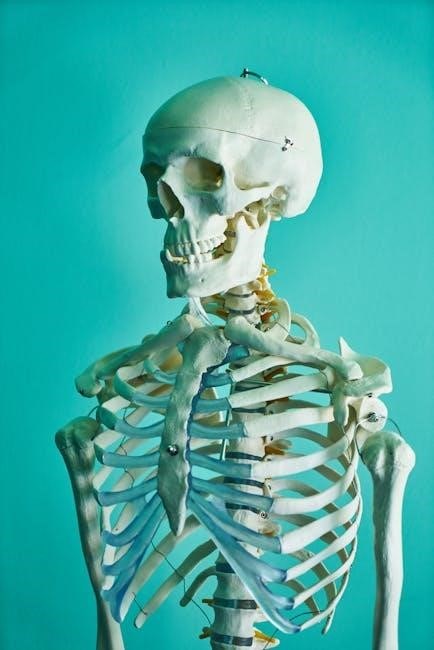
Fundamentals of the skeletal system, as presented in this edition, extend beyond simply recognizing bones; it’s about understanding a dynamic, living tissue․ The text meticulously details bone structure – compact and spongy bone – and the cellular processes of bone remodeling, crucial for maintaining skeletal integrity․
This edition emphasizes the skeletal system’s multifaceted roles: support, protection, movement, mineral storage, and blood cell formation․ It clarifies the classifications of bones (long, short, flat, irregular) and their specific functions within the body․
Understanding joint types – fibrous, cartilaginous, synovial – and their associated movements is fundamental․ The book also explores common skeletal disorders, providing a cardinal understanding of how structural changes impact physiological function․ This comprehensive approach builds a strong foundation for advanced study․
Muscular System
Fundamentals of the muscular system, detailed within this edition, delve into the intricacies of muscle tissue – skeletal, smooth, and cardiac – emphasizing their unique structures and functions․ The text thoroughly explains the sliding filament theory, the vital mechanism driving muscle contraction, and the role of key proteins like actin and myosin․
This edition clarifies muscle organization, from fascicles to myofibrils, and explores different types of muscle fibers (slow-twitch, fast-twitch) and their implications for athletic performance․ Neuromuscular junctions and the process of nerve impulse transmission are explained with clarity․
Understanding muscle actions – agonists, antagonists, synergists – is fundamental to grasping movement mechanics․ The book also addresses common muscular conditions, providing a solid basis for understanding how disruptions impact bodily function and overall health․
Nervous System
Fundamentals of the nervous system, as presented in this edition, begin with the building blocks: neurons and glial cells․ The text meticulously details neuronal structure – dendrites, axons, synapses – and the mechanisms of action potential propagation, a cardinal principle of neural communication․
This edition clarifies the organization of the nervous system, differentiating between the central nervous system (brain and spinal cord) and the peripheral nervous system․ It explores the roles of sensory receptors, motor pathways, and integrative functions․
Understanding synaptic transmission, neurotransmitters, and the impact of various neurological disorders is vital․ The book also covers brain regions and their specific functions, providing a comprehensive overview of this complex system and its influence on behavior and physiology․
Endocrine System
Fundamentals of the endocrine system, detailed within this edition, center on hormone regulation and its widespread effects․ The text elucidates the distinction between endocrine and exocrine glands, emphasizing the hormone’s role as a chemical messenger traveling via the bloodstream․
Key endocrine glands – pituitary, thyroid, adrenal, pancreas, and gonads – are thoroughly examined, outlining their hormone production and physiological impacts․ Understanding feedback loops, both positive and negative, is presented as vital for maintaining hormonal balance․
This edition clarifies hormone receptor mechanisms and the consequences of hormonal imbalances, including disorders like diabetes and thyroid dysfunction․ It’s a cardinal aspect of understanding how the body maintains homeostasis through intricate chemical signaling․
Cardiovascular System
Fundamentals of the cardiovascular system, as presented in this edition, focus on the heart’s structure and function as a pump, propelling blood throughout the body․ Detailed coverage includes the chambers, valves, and major blood vessels – arteries, veins, and capillaries – and their roles in circulation․
The text emphasizes the importance of understanding cardiac cycle phases, blood pressure regulation, and the conduction system that coordinates heartbeats․ Exploring blood composition – plasma, red blood cells, white blood cells, and platelets – is presented as vital․
This edition clarifies the interplay between the cardiovascular and other systems, like the respiratory system for gas exchange․ Understanding circulatory pathways and potential disruptions, such as hypertension and atherosclerosis, is cardinal for grasping overall physiology․
Lymphatic System
Fundamentals of the lymphatic system, detailed in this edition, highlight its crucial role in fluid balance, immunity, and lipid absorption․ The text meticulously explores lymphatic vessels, tissues, and organs – including lymph nodes, the spleen, thymus, and tonsils – and their interconnected functions․
Emphasis is placed on understanding lymph formation, circulation, and filtration, alongside the system’s contribution to defending against pathogens․ The edition clarifies the distinction between innate and adaptive immunity, detailing the roles of lymphocytes (B cells and T cells) and antibodies․
This resource presents the lymphatic system as vital for maintaining homeostasis and protecting the body․ Comprehending lymphatic disorders, like lymphedema and lymphoma, is presented as cardinal to understanding overall health and disease processes․
Respiratory System
Fundamentals of the respiratory system, as presented in this edition, delve into the mechanics of breathing and gas exchange․ The text meticulously details the anatomy of the upper and lower respiratory tracts – from the nasal cavity to the alveoli – and their respective functions in conditioning and transporting air․
Emphasis is placed on understanding pulmonary ventilation, external and internal respiration, and the role of key muscles like the diaphragm and intercostals․ The edition clarifies the principles of partial pressure gradients and diffusion, explaining how oxygen and carbon dioxide are exchanged․
This resource presents the respiratory system as vital for sustaining life, highlighting its connection to the cardiovascular system․ Comprehending respiratory disorders, like asthma and pneumonia, is presented as cardinal to understanding overall health and disease․
Digestive System
Fundamentals of the digestive system, detailed within this edition, explore the intricate processes of breaking down food and absorbing nutrients․ The text meticulously outlines the anatomy of the alimentary canal – from the mouth to the anus – and the accessory organs that contribute to digestion, like the liver and pancreas․
Emphasis is placed on understanding mechanical and chemical digestion, the role of enzymes, and the absorption mechanisms within the small intestine․ The edition clarifies the processes of peristalsis and segmentation, explaining how food moves through the digestive tract․
This resource presents the digestive system as vital for providing the body with energy and building blocks, highlighting its connection to other systems․ Comprehending digestive disorders, like ulcers and Crohn’s disease, is presented as cardinal to understanding overall health․
Urinary System
Fundamentals of the urinary system, as presented in this edition, delve into the crucial processes of filtration, reabsorption, and secretion, all vital for maintaining homeostasis․ The text meticulously details the anatomy of the kidneys, ureters, bladder, and urethra, emphasizing their interconnected functions․
A core focus is understanding the nephron – the functional unit of the kidney – and its role in producing urine․ The edition clarifies how the body regulates blood volume, electrolyte balance, and pH through urinary processes․
This resource highlights the urinary system as vital for waste removal and fluid balance, demonstrating its connection to the cardiovascular and endocrine systems․ Understanding common urinary disorders, such as kidney stones and infections, is presented as cardinal for comprehensive health knowledge․
Reproductive System

Fundamentals of the reproductive system, detailed within this edition, explore the anatomical and physiological distinctions between male and female systems, emphasizing gametogenesis – the formation of sperm and eggs․ The text provides a comprehensive overview of the hormonal controls governing reproductive cycles and sexual development․
A key focus is understanding the intricate processes of fertilization, pregnancy, and parturition, highlighting the interplay of hormones and anatomical structures․ The edition clarifies the roles of key organs like the ovaries, testes, uterus, and prostate gland․
This resource presents the reproductive system as vital for species continuation, demonstrating its connection to the endocrine system․ Understanding common reproductive health issues, such as infertility and sexually transmitted infections, is presented as cardinal for informed healthcare decisions․
Key Concepts in Physiology
Fundamentals reveal physiology’s core: homeostasis, achieved through feedback mechanisms, and cellular communication, essential for coordinated bodily functions, as detailed in this edition․
Homeostasis and Feedback Mechanisms
Fundamentals of anatomy and physiology hinge on the concept of homeostasis – the body’s ability to maintain a stable internal environment despite external changes․ This dynamic equilibrium is not a static state, but rather a constantly adjusted balance crucial for cellular function and survival․ The 11th edition meticulously explores how the body achieves this through intricate feedback mechanisms․
These mechanisms operate like thermostats, detecting deviations from a set point and initiating corrective responses․ Negative feedback loops, the most common type, counteract the initial change, restoring balance – think of body temperature regulation․ Positive feedback loops amplify the initial change, often involved in specific processes like blood clotting or childbirth․ Understanding these loops, as presented in detail within this edition, is fundamental to grasping physiological processes․
The text emphasizes that disruptions to homeostasis lead to illness and disease, highlighting the importance of these regulatory systems․ It provides numerous examples illustrating how various organ systems contribute to maintaining this delicate balance, solidifying the concept as a cornerstone of physiological understanding․
Cellular Communication
Fundamentals of anatomy and physiology reveal that cells aren’t isolated entities; they constantly communicate to coordinate bodily functions; The 11th edition dedicates significant attention to the diverse methods cells employ to “talk” to each other, a process vital for everything from tissue development to immune responses․ This communication isn’t simply about sending signals, but also about receiving and interpreting them accurately․
The textbook details various signaling mechanisms, including direct contact, paracrine signaling (acting on nearby cells), endocrine signaling (using hormones to reach distant targets), and synaptic signaling (in the nervous system)․ It explains how cells utilize chemical messengers – neurotransmitters, hormones, and local regulators – to transmit information․ Understanding receptor proteins and signal transduction pathways is fundamental․
The edition emphasizes that disruptions in cellular communication can lead to a wide range of diseases, including cancer and autoimmune disorders, reinforcing the importance of this intricate process for maintaining health and well-being․