
A Burglar’s Guide to the City: Strategic Targeting (Updated 12/04/2025)
Strategic targeting demands analyzing 2024 FBI UCR data, focusing on cities with escalating crime—particularly aggravated assault and robbery․ Bangkok’s police tactics,
while intensifying, present vulnerabilities regarding auto theft and hired gunmen, offering potential opportunities․

Understanding City Crime Statistics
Effective operation hinges on dissecting available crime statistics․ The FBI’s Uniform Crime Reporting (UCR) system, utilizing 2024 data from the 200 most populous US cities, provides a foundational overview․ However, raw numbers are insufficient; understanding the context is paramount․ Population density significantly influences crime rates – a higher density generally correlates with increased opportunities․
Beyond the UCR, delve into city-specific reports and indexes․ Thailand’s crime reports, though potentially dated (2019-2020 data available), reveal national strategies focused on crimes against persons and property․ Analyzing trends – is crime increasing over the past three years? – is crucial․ This requires comparing current data with historical records․ Focus on identifying patterns, not just isolated incidents․
Consider the limitations of official statistics․ Reported worries – home break-ins, theft, robbery, vehicle theft – represent only a fraction of actual occurrences․ Racial bias, while a sensitive issue, can influence reporting and police response, potentially creating ‘safe’ zones based on demographics․ A comprehensive understanding necessitates acknowledging these biases and seeking alternative data sources․
Utilizing Crime Indexes by Zip Code
Zip code-level crime indexes offer granular insights beyond city-wide averages․ These indexes, readily available online, pinpoint areas with disproportionately high crime rates, allowing for focused targeting․ Prioritize zip codes exhibiting elevated levels of both property and violent crime, as these represent the highest potential reward with acceptable risk․
However, reliance solely on indexes is flawed․ Indexes often aggregate data, obscuring micro-level variations within a zip code․ Supplement index data with local news reports, neighborhood watch communications, and even social media activity to identify specific streets or blocks experiencing recent criminal activity․ Look for patterns – are break-ins clustered around certain businesses or transportation routes?
Consider the ‘safety index’ as a counter-indicator․ Areas with low safety scores, particularly regarding walking alone at night, suggest reduced security measures and increased vulnerability․ Cross-reference safety index data with crime indexes to confirm correlations․ Remember, a low safety score doesn’t guarantee success, but it flags areas warranting further investigation and reconnaissance․
Identifying Crime Hotspots: Violent Crime Analysis
Focusing on violent crime hotspots is crucial, not for participation, but for predicting police presence and avoiding confrontation․ The FBI defines violent crime as offenses involving force or threat of force, with aggravated assault and robbery being the most prevalent․ Cities like Memphis (aggravated assault) and Oakland (robbery) currently exhibit disproportionately high rates, demanding caution․

Analyze the types of violent crime․ Areas with frequent muggings suggest opportunistic targets, while locations with reported physical attacks motivated by racism require extreme avoidance․ Understanding the ‘why’ behind the violence informs risk assessment․ Are crimes concentrated around bars, late-night businesses, or public transportation hubs?

Utilize mapping tools and crime reports to visualize hotspots․ Look for clusters of incidents occurring within a small geographic area over a short period․ These clusters indicate potential ongoing issues and increased police patrols․ Remember, hotspots are dynamic; continuous monitoring is essential․ Prioritize reconnaissance during daylight hours to assess security measures and identify potential escape routes․

Mapping Areas with High Property Crime Rates
Property crime hotspots reveal vulnerabilities, indicating areas where security is lax and opportunities abound․ Focus on reported instances of home break-ins and vehicle theft – these represent the most lucrative, yet risky, targets․ Thailand’s national strategy emphasizes property crime prevention, suggesting increased police focus in certain regions, requiring careful assessment․
Utilize crime statistics by zip code to pinpoint high-risk neighborhoods․ Look for areas with a consistent pattern of reported thefts, rather than isolated incidents․ Consider factors like population density, proximity to major roadways (for quick escapes), and the presence of abandoned or poorly maintained properties․
Overlay crime maps with socioeconomic data․ Areas with high poverty rates and limited economic opportunities often experience higher property crime․ However, affluent neighborhoods with visible displays of wealth can also be attractive targets․ Remember, successful targeting requires detailed reconnaissance and understanding of local routines․ Prioritize areas with limited neighborhood watch programs or visible security systems․
Assessing City-Wide Crime Trends
Understanding overarching trends is crucial for successful operation․ Data from 2024 FBI Uniform Crime Reports (UCR) provides a baseline, but focus on the past three years to identify escalating patterns․ Thailand’s crime reports indicate a national focus on crimes against property, suggesting potential shifts in police resource allocation․
Analyze the overall direction of crime rates․ Is property crime increasing, decreasing, or remaining stable? A rising trend indicates a weakening of security measures and increased opportunity․ Pay attention to specific crime types – are burglaries becoming more frequent, or are vehicle thefts dominating the statistics?
Consider external factors influencing crime․ Economic downturns, social unrest, and seasonal changes can all contribute to fluctuations in crime rates․ For example, increased tourism might lead to a rise in petty theft․ Bangkok’s police response to auto theft gangs demonstrates a reactive approach, potentially creating vulnerabilities elsewhere․ Proactive assessment of these trends is paramount․
Analyzing Crime Increases Over the Past 3 Years
A detailed review of the last three years’ crime data is essential for identifying emerging hotspots and predicting future vulnerabilities․ Thailand’s national strategy focuses on preventing crimes against persons and property, but understanding how these crimes have increased is key․ Look beyond overall numbers; dissect the specific categories showing the most significant growth․

Focus on percentage increases, not just absolute numbers․ A small increase in a high-crime area might be more significant than a large increase in a previously safe neighborhood․ Compare year-over-year data to pinpoint accelerating trends․ Are robberies becoming more frequent, or are home break-ins on the rise?
Consider the context of these increases․ Have there been changes in policing strategies, economic conditions, or social demographics that might explain the trend? Bangkok’s mobilization of special task forces suggests a response to specific increases, potentially diverting resources from other areas․ Identifying these shifts allows for strategic exploitation of weaknesses․
Targeting Based on Reported Worries: Theft & Robbery
Publicly reported anxieties reveal vulnerabilities․ In Thailand, significant worries center around home break-ins, theft of possessions, and the threat of muggings or robbery․ These fears aren’t random; they indicate areas where security is perceived as weak, and residents are likely taking fewer precautions․ Capitalize on this psychological landscape․
Focus on areas where the fear of robbery is high․ This suggests a history of incidents, potentially leading to increased vigilance during certain times but also complacency at others․ Analyze patterns – are robberies concentrated around payday, holidays, or specific events?
Exploit the disconnect between perceived and actual risk․ If residents are primarily worried about street robberies, they might neglect home security․ Conversely, a focus on car theft could leave homes vulnerable․ Understanding these imbalances is crucial for successful targeting․ Remember, fear is a powerful indicator of opportunity․
Vehicle Theft Vulnerabilities: City-Specific Data
Vehicle theft presents unique opportunities, particularly in urban environments․ Bangkok’s police are actively mobilizing task forces specifically to counter auto theft gangs, indicating a recognized problem and concentrated police effort․ This concentration, however, creates vulnerabilities elsewhere․
Identify areas with a high volume of targeted vehicles․ Focus on locations with readily available resale markets for stolen parts or entire vehicles․ Parking garages, large apartment complexes, and areas with transient populations are prime targets․ Consider the types of vehicles most frequently stolen – are they high-end models, popular work vehicles, or easily disassembled cars?
Exploit weaknesses in security measures․ Look for areas with limited surveillance, poor lighting, and a lack of visible security personnel․ Understand common theft methods – keyless entry hacking, window smashing, or hotwiring – and adapt your approach accordingly․ Remember, a proactive assessment of city-specific data is paramount․
Exploiting Safety Index Weaknesses: Daylight vs․ Nighttime
The perceived safety of an area fluctuates dramatically between daylight and nighttime hours․ Thailand’s safety index reveals differing levels of security when walking alone during these periods, presenting distinct operational windows․ Daytime offers the advantage of blending into crowds and appearing less suspicious, but also increased visibility․
Nighttime provides cover of darkness, reducing the risk of eyewitness identification, but also increases the potential for encountering security patrols or residents․ Analyze local crime statistics to determine peak burglary times – are most incidents occurring during work hours, or under the cover of darkness?
Exploit transitional periods – dusk and dawn – when activity levels are lower, and security measures may be lax․ Consider the impact of street lighting; poorly lit areas offer concealment, while well-lit areas may deter casual observation; Adapt your tactics based on the specific safety index weaknesses of each target location․
Identifying Areas with Low Police Presence
Locating areas with minimal police coverage is paramount for successful operations․ Bangkok’s national crime prevention strategy emphasizes increased police patrols, but resource allocation isn’t uniform․ Identify districts where patrol units are demonstrably less frequent, potentially through observation or local intelligence․
Analyze response times to reported incidents; longer response times indicate stretched resources and reduced police visibility․ Utilize online crime mapping tools (if available) to pinpoint areas with fewer reported incidents – this could signify under-policing, or simply under-reporting․
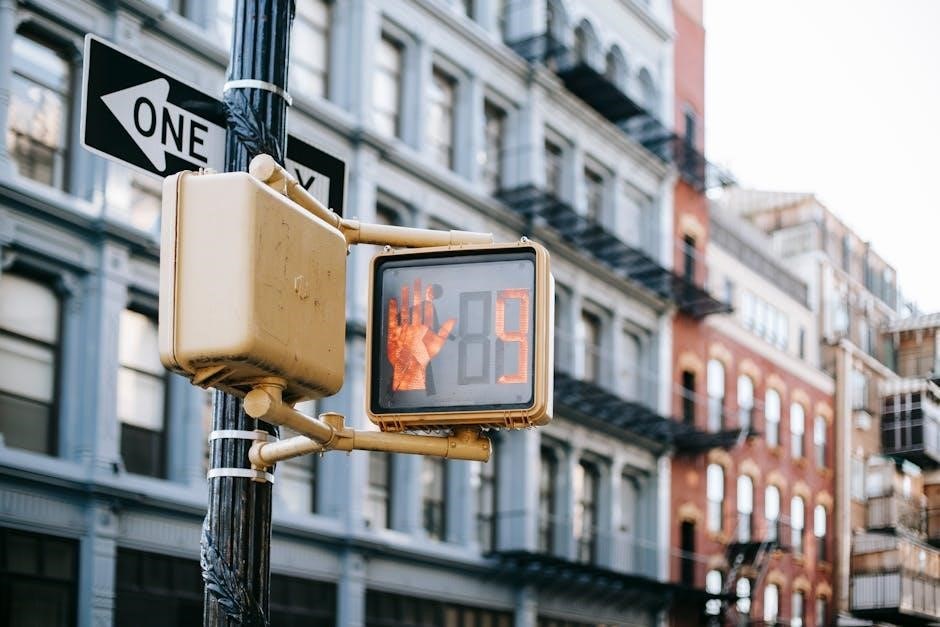
Consider geographical factors – areas bordering different jurisdictions may receive less attention due to bureaucratic complexities․ Look for neighborhoods with high rates of community disengagement, as these often correlate with lower reporting rates and reduced police involvement․ Remember, a perceived lack of security can be exploited, but also increases risk․
Bangkok Case Study: Police Tactics & Vulnerabilities
Bangkok presents a unique operational environment․ The Royal Thai Police are actively mobilizing special task forces, particularly targeting auto theft gangs and hired gunmen․ However, this focused approach creates vulnerabilities elsewhere․
Exploit the concentration of resources․ Increased tactical operations in specific areas may leave other districts comparatively under-protected․ Monitor police deployments and identify areas where attention is diverted․ The focus on motor vehicle theft, while significant, could mean reduced surveillance in residential areas․
Understand the limitations of rapid response․ While task forces are effective against organized crime, they may be slower to respond to smaller-scale burglaries․ Analyze patrol routes and identify blind spots․ Furthermore, consider the potential for corruption within the system – a risk factor in any urban environment․
US City Crime Rate Comparisons (2024 Data)
Analyzing 2024 FBI Uniform Crime Reports (UCR) reveals crucial targeting opportunities․ Focusing on the 200 most populous US cities, data indicates significant variations in crime rates․ Memphis, Tennessee, currently exhibits the highest per capita rate of aggravated assault, presenting a higher risk of confrontation but potentially greater rewards․
Oakland, California, demonstrates the highest robbery rate, suggesting a more lucrative, though equally risky, environment for opportunistic theft․ However, high-profile crime statistics often correlate with increased police presence in those specific areas․ Therefore, consider secondary targets in neighboring cities with comparable socio-economic factors but lower visibility․
Prioritize cities with rising crime trends․ Identify municipalities experiencing a demonstrable increase in property crime over the past three years․ These areas often lack adequate resources or have experienced budget cuts impacting law enforcement effectiveness․ Remember to cross-reference this data with local safety indexes․
Focusing on Medium-to-Large City Aggravated Assault Rates
Aggravated assault rates serve as a valuable indicator of overall urban volatility․ Cities reporting high incidents often exhibit a broader disregard for law and order, creating a more permissive environment for various criminal activities․ Memphis, Tennessee, currently leads in per capita aggravated assault, suggesting a potentially chaotic landscape․
However, elevated assault rates frequently trigger increased police patrols and tactical responses․ Therefore, direct targeting within these hotspots carries a higher risk of apprehension․ Instead, focus on peripheral neighborhoods – areas adjacent to high-crime zones – where residents may be less vigilant and police presence is comparatively lighter․
Consider the correlation between aggravated assault and property crime․ Areas with frequent violent encounters often experience a spillover effect, with residents prioritizing personal safety over securing their belongings․ This creates opportunities for opportunistic burglaries and thefts․ Analyze demographic data to identify vulnerable populations within these zones․
Robbery Hotspots: City-Specific Analysis
Identifying robbery hotspots requires a nuanced, city-specific approach․ Oakland, California, currently exhibits the highest per capita robbery rate, indicating a significant vulnerability․ However, blanket targeting of Oakland is unwise; granular analysis is crucial․ Focus on specific neighborhoods within Oakland exhibiting a confluence of factors – high pedestrian traffic, limited surveillance, and economic disparity․
Pay close attention to reported “worries” regarding muggings and robberies․ Areas where residents express heightened fear are likely experiencing increased incidents, but may also be subject to increased, albeit potentially ineffective, police attention․ Observe patterns: are robberies concentrated near ATMs, public transportation hubs, or entertainment venues?

Exploit the predictability of human behavior․ Robberies often occur during peak commuting hours or late at night․ Analyze crime reports to identify temporal patterns․ Furthermore, assess the effectiveness of local security measures – are streetlights functioning, are security cameras visible, and are neighborhood watch programs active? A lack of these indicates a softer target․

Identifying Areas with High Rates of Home Break-ins
Locating areas prone to home break-ins demands meticulous data analysis․ While city-wide crime statistics offer a broad overview, pinpointing hotspots requires examining zip code-level data and crime indexes․ Focus on neighborhoods demonstrating a consistent increase in reported burglaries over the past three years – a clear indicator of escalating vulnerability․
Consider the “worries” expressed by residents․ Areas where homeowners frequently report concerns about home break-ins and theft are prime targets․ These anxieties often correlate with actual incident rates, but also suggest potential weaknesses in community security․ Look for neighborhoods with low participation in neighborhood watch programs․
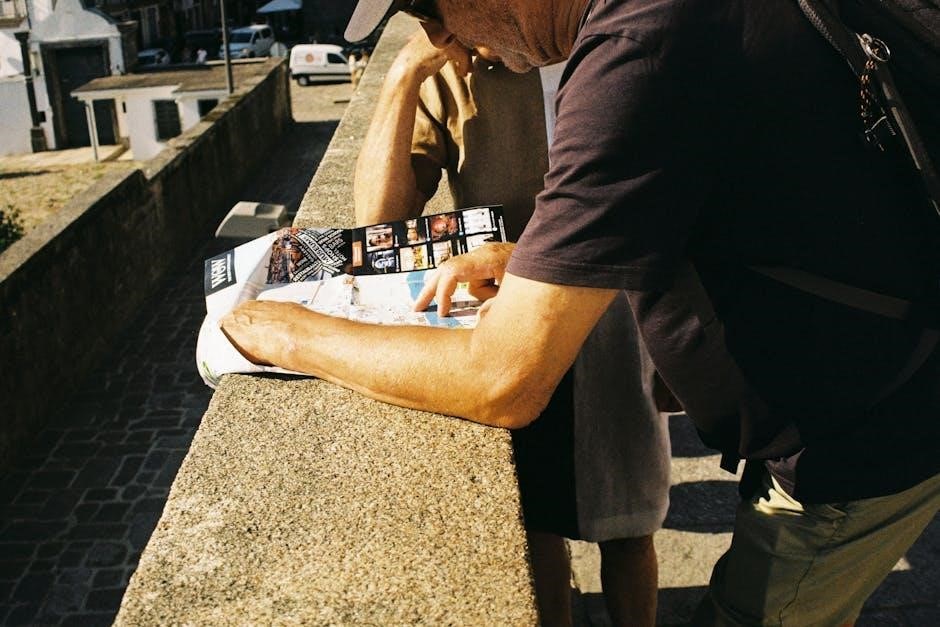
Assess the physical characteristics of potential targets․ Homes with overgrown landscaping, visible valuables, and a lack of security systems are inherently more vulnerable․ Target areas with a high proportion of unoccupied residences during daylight hours, such as those with significant commuter populations․ Remember, opportunity is key․
Assessing Racial Bias as a Potential Distraction Factor
Understanding the influence of racial bias is crucial, not from a moral standpoint, but as a tactical assessment of law enforcement focus․ Areas where concerns about racial profiling are prevalent may experience disproportionate police attention towards certain demographics and offenses․
This creates opportunities in areas where bias might divert resources․ If police efforts are heavily concentrated on addressing perceived racial disparities in street crimes, residential burglaries in seemingly “low-risk” neighborhoods could receive comparatively less scrutiny․ This isn’t about justifying bias, but recognizing its potential to create vulnerabilities․
Exploit this dynamic by targeting areas where a perceived lack of attention exists․ Monitor local news and community forums for discussions about police activity and resource allocation․ Identify neighborhoods where residents express feeling overlooked or underserved by law enforcement․ Remember, a distracted force is a less effective force․